Vegetarian China Survival Guide: Eat Meat-Free Without Going Hungry
Being vegetarian in China is a genuine challenge. Not because Chinese people are hostile to the idea. Buddhist vegetarianism has existed here for over 1,500 years. But meat is so deeply embedded in the food culture that “no meat” often means “mostly vegetables, cooked in pork stock, with a few slivers of minced pork for flavor.”
A friend of mine once ordered “vegetable noodles” in a small Chengdu restaurant. The bowl arrived with two slices of pork belly on top. When she pointed this out, the cook looked genuinely confused. “That is not meat,” he said. “That is flavor.”
This guide is for vegetarians and vegans who want to travel in China without living on plain rice and steamed buns. It covers what actually works, from Buddhist temple restaurants to the exact Chinese phrases that will save your meal. If you are new to Chinese food in general, start with our Chinese food 101 for an overview of the eight regional cuisines before zooming in on vegetarian survival strategies.
The Real Challenge
The difficulty of eating vegetarian in China depends less on where you are and more on how you communicate. The problem is not a lack of vegetarian food. China has one of the world’s oldest and most sophisticated vegetarian culinary traditions. The problem is that the default Chinese meal assumes meat is present in some form, and casual requests to remove it are often misunderstood.
Here are the ways “vegetarian” fails in practice:
Hidden meat as seasoning. A dish of stir-fried green beans (干煸四季豆) sounds vegetarian. In most restaurants, it is cooked with minced pork and lard. The pork is not the main ingredient; it is seasoning. When you ask for it removed, the cook may comply but still use the same pork-infused oil.
Stock and broth. Vegetable soup sounds safe. In China, it is almost always made with pork or chicken stock. The vegetables float in it, but the liquid itself is meat-based. This applies to noodle soups, hot pot broths, and even some “plain” rice congee.
Oyster sauce. This thick, savory brown sauce is the default seasoning for stir-fried leafy greens across southern China and in many northern restaurants too. It is made from oyster extract. If you order bok choy, choy sum, or gai lan at a standard Chinese restaurant, it will arrive glazed in oyster sauce unless you explicitly say otherwise.
“No meat” is relative. In much of China, small amounts of minced pork, dried shrimp, or meat stock are considered seasoning rather than ingredients. A dish described as “vegetable” (蔬菜) can and often does contain these. The Chinese word for “vegetarian” (素食, sùshí) is specific and culturally understood. Use it.
Understanding these dynamics is the first step. The second step is knowing where to go instead.
The Buddhist Vegetarian Tradition
Buddhist vegetarian cuisine (斋菜, zhāicài, or 素食, sùshí) is China’s original plant-based food tradition. It dates back over 1,500 years to when Buddhism arrived from India and Chinese monks began developing meat-free cooking techniques. The results are extraordinary: dishes that mimic the texture and appearance of meat, fish, and seafood using nothing but tofu, wheat gluten, mushrooms, and vegetables.
A proper Buddhist vegetarian restaurant can serve you “sweet and sour pork” made from wheat gluten, “steamed fish” made from soybean skin and seaweed, and “roast duck” made from layered tofu sheets, all of it 100% plant-based. The culinary skill involved is real. Chinese emperors employed vegetarian chefs centuries before the word “vegan” existed.
Key things to know about Buddhist vegetarian cuisine:
- In its strictest form, it excludes not just meat but also eggs, dairy, garlic, onion, leeks, chives, and shallots: the “five pungent spices” (五辛, wǔxīn) that Buddhist teaching says cloud the mind.
- Temple restaurants attached to active monasteries serve this strict version. They are the safest option for vegans.
- Commercial Buddhist vegetarian restaurants in cities may be more flexible on the five pungent spices. Ask if this matters to you.
- The food is genuinely good. These are not sad salads. Buddhist vegetarian chefs spend years learning to transform plant ingredients into complex, satisfying dishes.
Every major Chinese city has at least one Buddhist vegetarian restaurant. Smaller cities with active temples often have them too. They are usually near, or inside, Buddhist temples. Look for the character 斋 (zhāi) or 素 (sù) on the sign.
The Essential Phrases
You do not need to speak Chinese to eat vegetarian in China, but these six phrases will dramatically increase your success rate. Save them as a note on your phone. Show them when ordering.
| English | Chinese | Pinyin | When to Use |
|---|---|---|---|
| I eat vegetarian food | 我吃素 | Wǒ chī sù | At the start of any meal — this is your most important phrase |
| No meat | 不要肉 | Bù yào ròu | Reinforcing after “wǒ chī sù” |
| No oyster sauce | 不放蚝油 | Bù fàng háo yóu | When ordering vegetables — this single phrase prevents the most common vegetarian fail |
| No lard / animal fat | 不放猪油 | Bù fàng zhū yóu | At small local restaurants where lard is the default cooking fat |
| Does this have meat? | 这个有肉吗? | Zhège yǒu ròu ma? | Pointing at a dish on the menu or at a buffet |
| Buddhist vegetarian restaurant | 素菜馆 / 斋菜馆 | Sùcài guǎn / Zhāicài guǎn | Asking for directions or searching on maps |
One nuance: 我吃素 (wǒ chī sù) carries religious weight in Chinese culture. It signals that vegetarianism is a meaningful commitment, not a preference. Restaurant staff often respond to this with more care than they would to “no meat.” If you are vegan, add 不吃蛋, 不喝牛奶 (bù chī dàn, bù hē niú nǎi, “no eggs, no milk”).
Translation apps are essential. Google Translate’s camera mode lets you scan a menu and spot the characters for meat (肉), chicken (鸡), pork (猪), beef (牛), fish (鱼), shrimp (虾), and oyster sauce (蚝油). Pleco, a dedicated Chinese dictionary app, lets you draw characters you do not recognize. For more on essential apps, see our digital survival guide.
Naturally Vegetarian Chinese Dishes
These dishes are traditionally vegetarian or can be made vegetarian with one simple request. They exist on menus across China and require less negotiation than custom orders.
Mapo tofu (麻婆豆腐), hold the pork. The classic Sichuan dish of soft tofu in chili-bean sauce. The standard version includes minced pork. Ask for 素麻婆豆腐 (sù mápó dòufu), vegetarian mapo tofu. Good restaurants will make it without the pork and still deliver the numbing-spicy kick that makes the dish famous.
Dry-fried green beans (干煸四季豆). Deep-fried until blistered, then wok-fried with Sichuan pepper and salt. Request no minced pork and no oyster sauce. The beans themselves are the star.
Cucumber salad (拍黄瓜). Smashed cucumber with garlic, vinegar, and sesame oil. Naturally vegan. Found on almost every menu in northern China. One of the safest orders you can make.
Scallion oil noodles (葱油拌面). Springy noodles tossed in hot scallion-infused oil with soy sauce. This Shanghai classic is ¥10-18 a bowl and almost always vegetarian. Some shops add dried shrimp; ask “bù yào xiā” (不要虾) to be safe.
Tomato and egg stir-fry (番茄炒蛋). The comfort food of China. Scrambled eggs in a sweet-savory tomato sauce. Not vegan (eggs) but reliably vegetarian. Every Chinese restaurant knows how to make it. Every Chinese child grew up eating it.
Vegetable dumplings (素饺子). Dumplings filled with egg, glass noodles, mushroom, cabbage, and carrot. Available at most dumpling shops. Ask for 素饺子 (sù jiǎozi), vegetarian dumplings. In northern China, dumpling shops are everywhere and this order works more often than not.
Buddhist delight (罗汉斋). A Cantonese classic: mixed vegetables, tofu, mushrooms, and cellophane noodles braised in a light soy-based sauce. Named after the arhats (enlightened Buddhist disciples). When you see this on a menu, order it. It was designed to be vegetarian.
Di san xian (地三鲜). “Three treasures of the earth”: potato, eggplant, and green pepper, deep-fried and stir-fried with soy sauce. A Dongbei (northeastern) specialty. Naturally vegan. Available at most Chinese restaurants north of the Yangtze.
Where to Eat: A Strategy by Restaurant Type
Temple Restaurants: Safest Option
Buddhist temple restaurants are the gold standard for vegetarian travelers in China. They serve strict Buddhist vegetarian cuisine (no meat, no eggs, no dairy, no alliums). The food is affordable (¥20-50 per person for a full meal). The atmosphere is calm and beautiful. And you do not need to negotiate your dietary requirements at all.
Temples with well-known vegetarian restaurants include:
- Yonghe Temple (Lama Temple), Beijing — the vegetarian buffet next door serves dozens of dishes
- Longhua Temple, Shanghai: noodle shop inside the temple grounds, famous for luohan noodles
- Wenshu Monastery, Chengdu: excellent vegetarian restaurant in the courtyard, open to the public
- Guangxiao Temple, Guangzhou: one of the city’s oldest temples with a respected vegetarian kitchen
- Lingyin Temple, Hangzhou: vegetarian noodle shop near the temple entrance
Search for 寺庙素菜 (sìmiào sùcài, temple vegetarian food) on your map app when you arrive in a new city.
Dedicated Vegetarian Restaurants
In major cities, standalone vegetarian and vegan restaurants are growing fast. Shanghai alone has over 100. These range from humble hole-in-the-wall Buddhist eateries to high-end fine dining. In Shanghai, Godly (功德林) near People’s Square has been serving Buddhist vegetarian cuisine since 1922 and is a genuine institution. Our Shanghai food guide covers it, along with the city’s essential dishes.
Search your map app for 素食 (sùshí) or use the HappyCow app, which has solid coverage of Chinese cities.
Muslim Chinese Restaurants
Halal Chinese restaurants (清真, qīngzhēn) serve no pork, which eliminates one major hidden meat source. They are not vegetarian (lamb and beef are staples), but they will not secretly add pork to your vegetables, and lard is never used. Muslim noodle shops (兰州拉面, Lanzhou lamian) are everywhere in China and can make you a simple bowl of noodles with vegetables. Ask for 素面 (sù miàn, vegetarian noodles).
In cities across northwest China with large Muslim populations (Xi’an, Lanzhou, Urumqi), Halal restaurants dominate, and communicating vegetarian preferences inside one is easier because pork is already absent from the kitchen.
Hot Pot: Surprisingly Workable
Hot pot can be one of the easiest communal meals for vegetarians because you control what goes into your pot. Request a split pot (鸳鸯锅, yuānyāng guō) with one side plain broth. Confirm the plain side is vegetable-based; say “sù tāng” (素汤, vegetarian broth). Then order tofu, mushrooms, leafy greens, potato slices, lotus root, noodles, and bean curd sheets. Dip everything in sesame sauce and chili oil. It works.
Haidilao, China’s largest hot pot chain, has English menus, good vegetable selections, and staff trained to handle dietary requests. It is the easiest entry point for vegetarian hot pot.
The City-by-City Reality
| City | Vegetarian Friendliness | Notes |
|---|---|---|
| Shanghai | ★★★★★ | Best in mainland China. 100+ vegetarian restaurants, Buddhist fine dining, international vegan cafes. English menus common in the city center. |
| Beijing | ★★★★ | Strong temple restaurant scene. Growing vegan community. State-owned vegetarian chain 功德林 has a location here. |
| Chengdu | ★★★★ | Temple restaurants near Wenshu Monastery are excellent. Sichuan vegetarian cuisine uses chili and Sichuan pepper to make plant food exciting. |
| Guangzhou | ★★★★ | Cantonese Buddhist vegetarian tradition is centuries old. Dim sum restaurants offer vegetable dumplings and buns. |
| Hangzhou | ★★★ | Lingyin Temple vegetarian noodles are a highlight. Limited options beyond temple food, but close enough to Shanghai for a day trip. |
| Xi’an | ★★ | Muslim quarter (回民街) has no pork but uses lamb heavily. Vegetable noodle soups exist. Few dedicated vegetarian restaurants. |
| Smaller cities / rural areas | ★ | You will rely on phrase cards, temple restaurants (if any), and self-catering. Pack protein bars. Market vegetables and fruit are fresh and abundant. |
| Xinjiang / Inner Mongolia | ★ | Lamb and beef are central to the food culture. Vegetarian options are genuinely scarce. Bring backup food. |
Practical Survival Tips
Carry a phrase card. A laminated card or phone screenshot with 我吃素, 不要肉, 不放蚝油, 不放猪油 in large Chinese characters is faster than fumbling with an app. Show it before you order, not after.
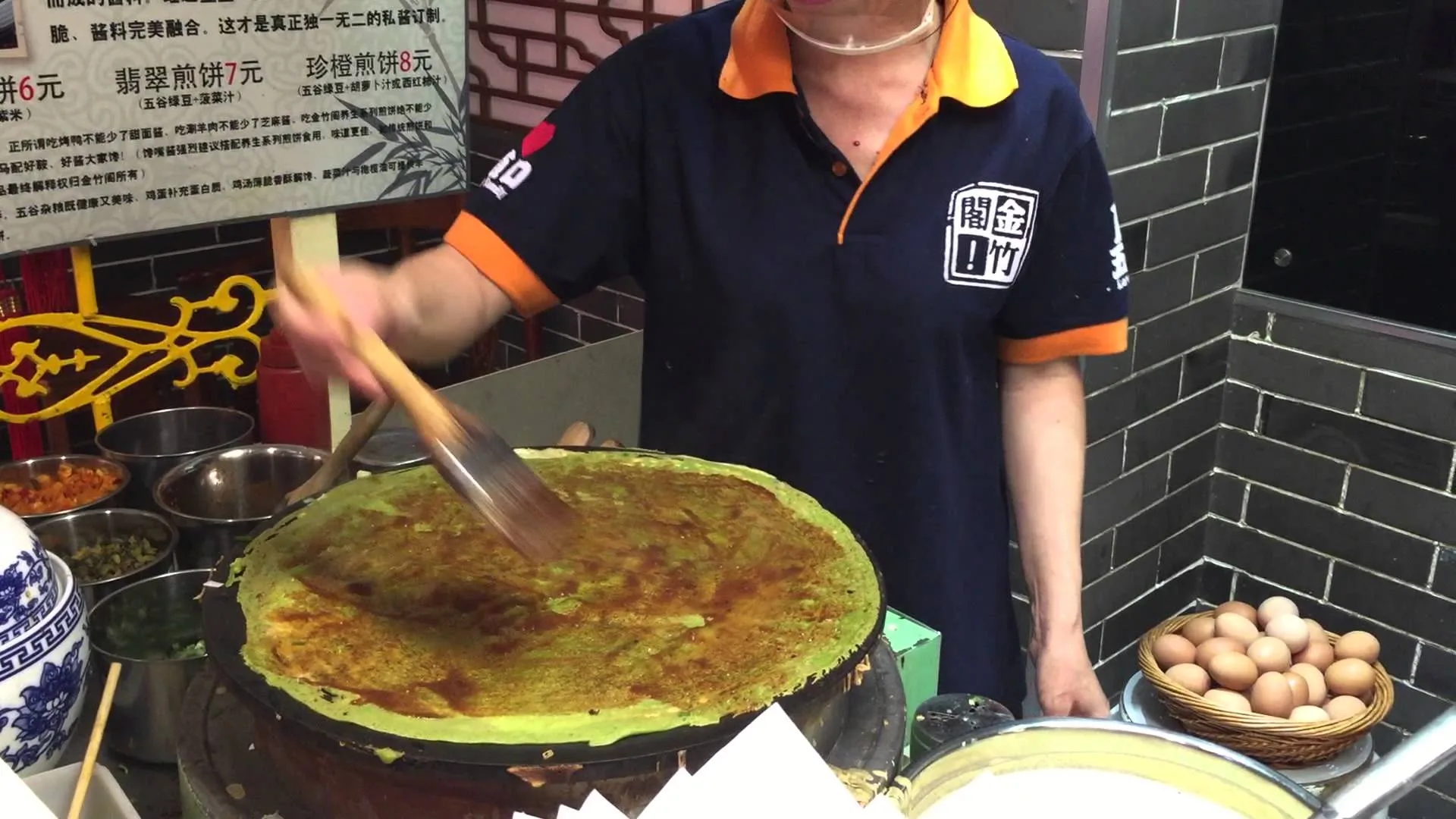
Learn to love tofu. Chinese tofu is nothing like the bland blocks sold in Western supermarkets. It comes in dozens of forms: silken, firm, pressed, smoked, dried, fermented, and the extraordinary tofu skin (腐竹, fǔzhú) that mimics meat texture. Buddhist chefs have spent 1,500 years figuring out how to make tofu taste like anything they want. Trust them.
Breakfast is your friend. Chinese breakfast foods are disproportionately vegetarian. Soy milk (豆浆), youtiao (fried dough sticks), steamed buns with vegetable filling (菜包), congee with pickles, and sesame pancakes (烧饼) are all meat-free by default. Morning street food markets are the easiest meal of the day for vegetarians.
Cook when you can. If your accommodation has a kitchen, Chinese wet markets sell the freshest vegetables you have ever seen for almost nothing. A bag of bok choy, mushrooms, tofu, and noodles costs under ¥20 and cooks in 10 minutes. Airbnb and serviced apartments in China almost always include basic cooking facilities.
Pack backup food. Protein bars, nuts, instant oatmeal, and dried fruit take up little luggage space and will save you on a long bus journey through rural Yunnan when the only rest stop sells pork buns and chicken feet.
The rice rule. Plain white rice (白饭, bái fàn) is available everywhere, costs ¥2-5, and is always vegan. It is not a meal. But when a restaurant has nothing else you can eat, rice with a side of stir-fried greens (remember: no oyster sauce) will get you through.
The Honest Reality
Being vegetarian in China requires more planning, more communication, and more patience than in most countries. You will have meals where the only thing you can eat is rice and cucumber salad. You will have moments of frustration when a dish described as “vegetable” arrives studded with minced pork. You will probably dream about cheese at some point.
But you will also eat mapo tofu in Chengdu that changes your understanding of what tofu can be. You will sit in a thousand-year-old temple courtyard in Hangzhou eating noodles made from a recipe monks have refined for centuries. You will discover that Buddhist vegetarian “goose” made from layered tofu skin is better than actual goose. And you will learn that China’s vegetarian tradition, once you find it, is one of the richest plant-based food cultures anywhere.
Come prepared. Learn the phrases. Trust the temples. And do not let the search for a perfect meal stop you from experiencing one of the most extraordinary food countries in the world.
Frequently asked questions
Can I survive as a vegetarian in China?
Yes, but it takes more effort than in most Western countries. Meat is the cultural default, and “no meat” does not always mean vegetarian — many dishes use meat broth, lard, or minced pork as a seasoning. Buddhist vegetarian restaurants are your safest bet, and they exist in every Chinese city. With the right phrases, apps, and expectations, you can eat well. Thousands of vegetarian travelers do it every year.
What Chinese dishes are naturally vegetarian?
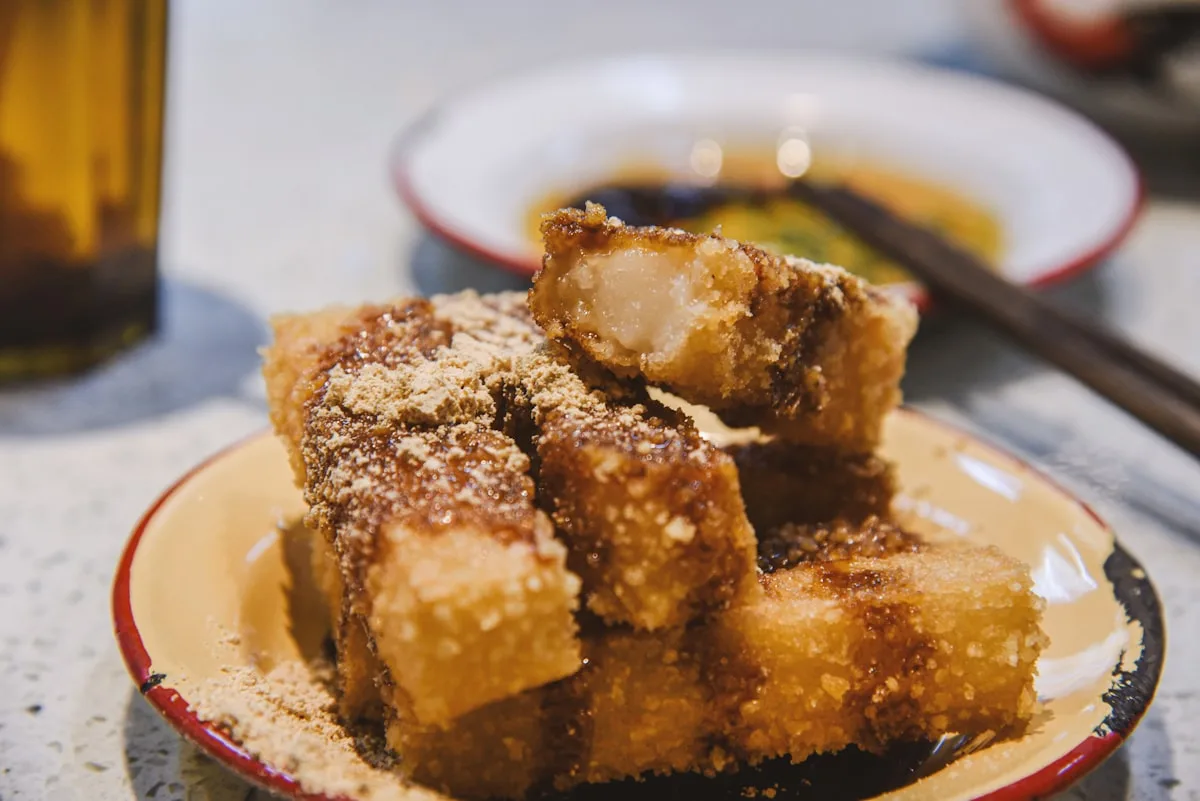
Mapo tofu without the minced pork, dry-fried green beans (干煸四季豆), cucumber salad (拍黄瓜), scallion oil noodles (葱油拌面), tomato and egg stir-fry (番茄炒蛋), vegetable dumplings (素饺子), and Buddhist delight (罗汉斋). Many dim sum items are vegetarian too: vegetable buns, turnip cake, and sweet custard buns. The key is confirming the dish has no hidden meat stock, lard, or oyster sauce.
What is the most important phrase to know as a vegetarian in China?
Wǒ chī sù (我吃素) — “I eat vegetarian food.” This is stronger than saying “no meat.” Sù (素) specifically refers to Buddhist-style vegetarian food with no animal products, no garlic, no onion, and no strong spices. Many Chinese people immediately understand this as a religious dietary restriction and take it seriously. Next most important: “Bù yào fàng ròu” (不要放肉) — “Don’t put meat in it.”
Are there vegan options in China?
Veganism is less widely understood than vegetarianism in China, but Buddhist vegetarian cuisine is naturally vegan in its strictest form — no meat, no eggs, no dairy, no garlic or onion. Look for restaurants labeled 素食 (sùshí, vegetarian food) or 斋菜 (zhāicài, Buddhist fasting cuisine). In major cities like Shanghai, Beijing, and Chengdu, dedicated vegan restaurants with English menus are growing. Outside big cities, rely on Buddhist temple restaurants and communicate carefully.
Which Chinese cities are best for vegetarians?
Shanghai is the best — it has over 100 vegetarian and vegan restaurants, including international chains and high-end Buddhist dining. Beijing and Chengdu are also strong, especially around temple districts. Hong Kong and Taiwan have the most developed vegetarian scenes in the Chinese-speaking world. Smaller cities and rural areas are harder; you will rely more on phrase cards, temple restaurants, and self-catering. In Xinjiang, Inner Mongolia, and the far northeast, vegetarian options are genuinely scarce.
What hidden animal products should I watch out for?
Oyster sauce (蚝油, háoyóu) is in most stir-fried vegetables unless you ask for it to be omitted. Lard (猪油, zhūyóu) is used for frying in many small restaurants. Chicken powder (鸡精, jījīng) is added to soups and broths as a flavor enhancer — it is made from chicken extract. Fish sauce (鱼露, yúlù) appears in southern Chinese and Southeast Asian-style dishes. “Vegetable soup” (蔬菜汤) may be made with pork or chicken stock. When in doubt, Buddhist vegetarian restaurants avoid all of these by default.