China Toilet Survival Guide: What to Expect & How to Prepare
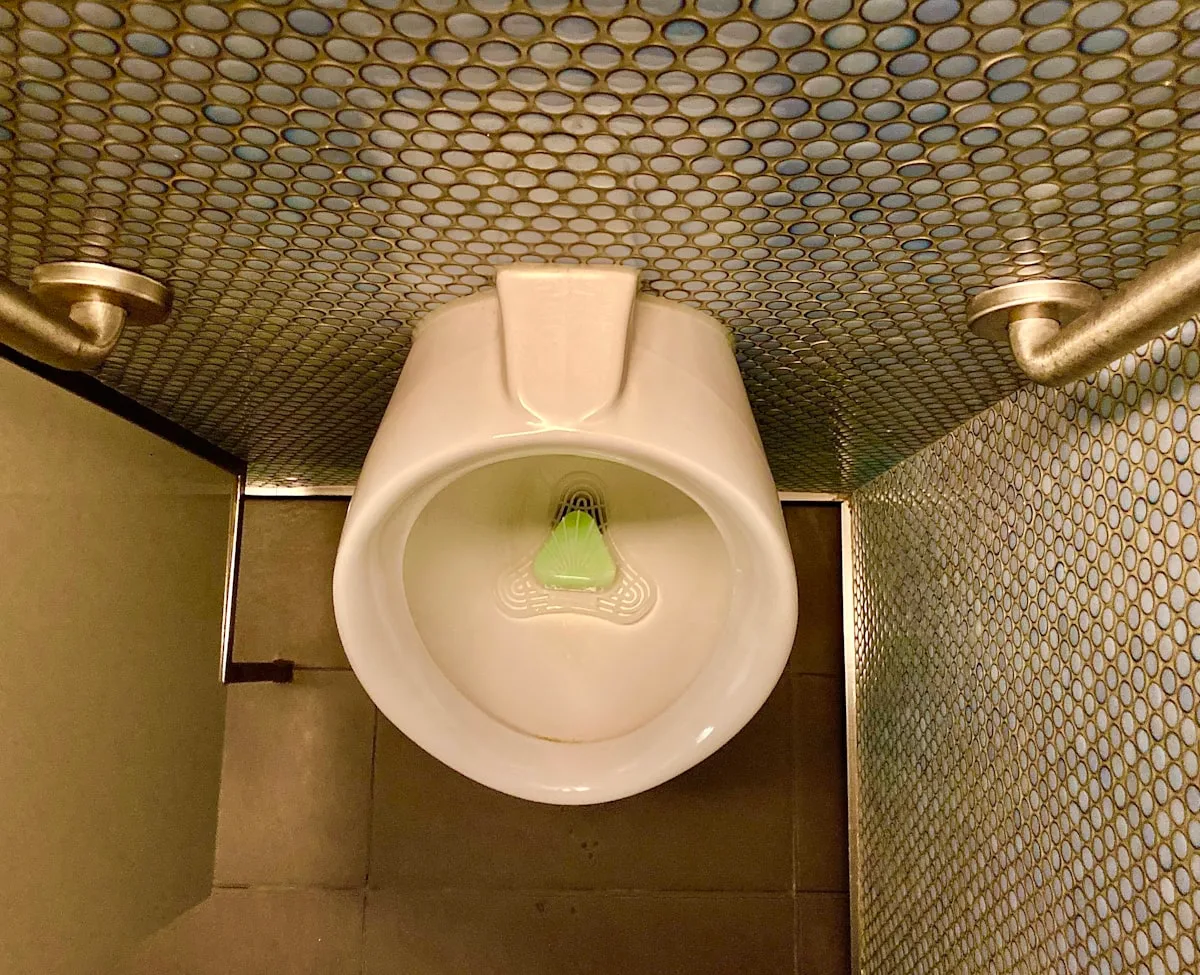
The thing nobody warns you about
You will land at a world-class airport with marble floors and driverless trains. You will check into a hotel with a smart toilet that heats the seat and plays music. You will think the horror stories are exaggerated.
Then you will use a public bathroom at a temple in Chengdu and understand.
This guide covers what Chinese public toilets are actually like, what to carry, where the clean ones are, and how to handle the worst-case scenario. No euphemisms, no sugarcoating. Just what works on the ground.
The two things that surprise everyone
Toilet paper is almost never provided. Assume it will not be there. Even in places that technically stock it (shopping malls, train stations, some tourist sites), the dispenser is often empty by 11 AM or the paper is locked in a cabinet behind the ticket counter.
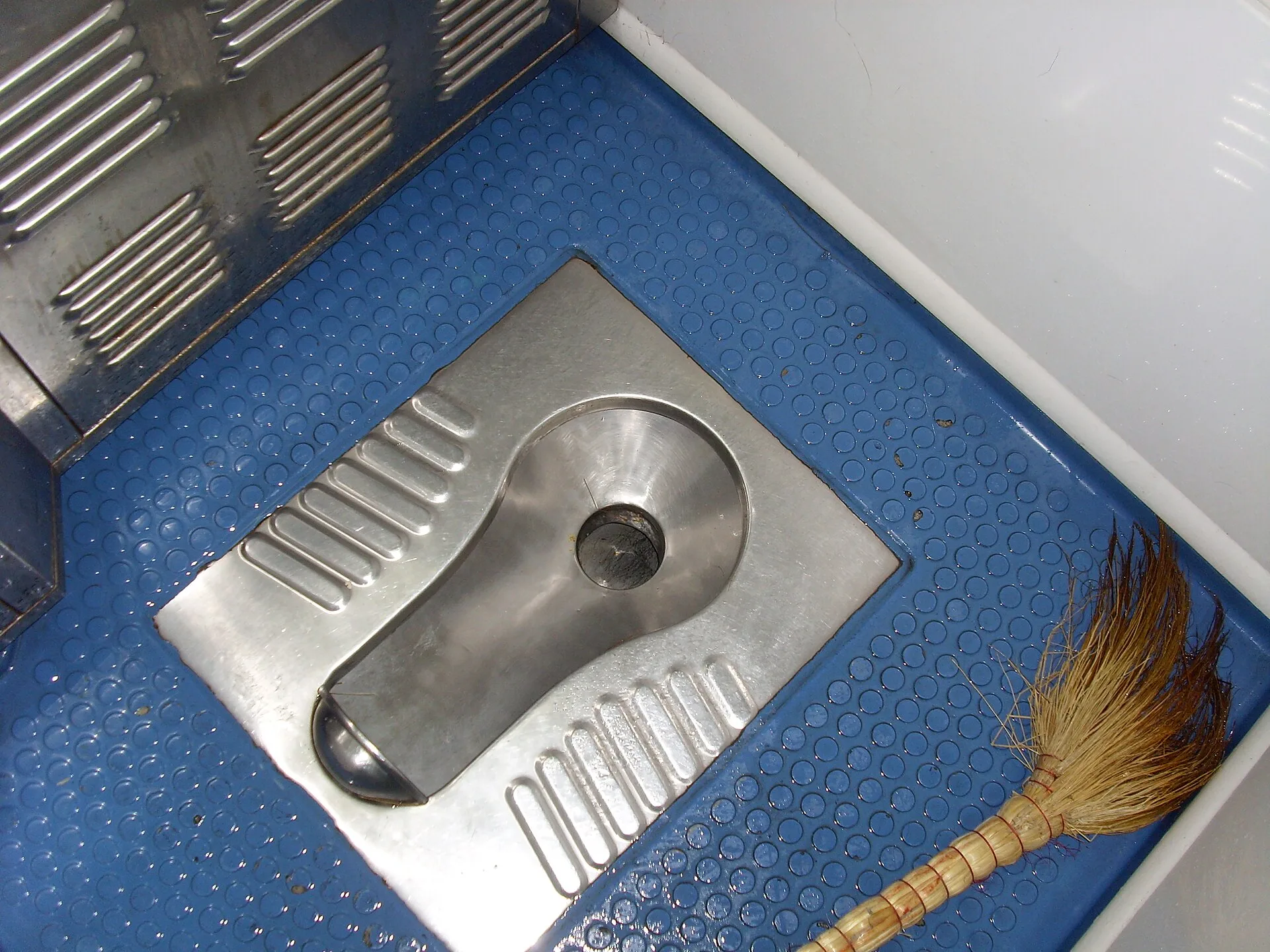
Squat toilets are the default. Outside international hotels and high-end malls, you will encounter a porcelain trough set into the floor. There is no seat. You squat over it. Millions of people do this daily without drama, and you will too, once you get past the first attempt.
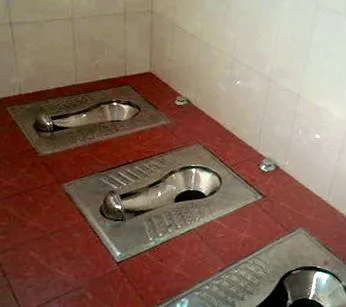
The squat toilet is not a sign of underdevelopment. It is a design preference. Squatting is the anatomically natural position for elimination, and many Chinese people consider sitting on a shared toilet seat unhygienic. Understanding this does not make the squat easier at first, but it helps to know it is not a failure of infrastructure. It is a different answer to the same question.
The tier system
Not all Chinese toilets are equal. Here is what to expect at each level:
| Tier | Location | Seat type | TP | Soap | Cleanliness |
|---|---|---|---|---|---|
| 5-star | International hotels, high-end malls (SKP, IFC), VIP lounges | Western, heated seat | ✅ | ✅ | Spotless |
| 4-star | Shopping malls (万达, 万象城), high-speed rail stations, museums | Mostly Western, some squat | ⚠️ Bring own | ⚠️ 50/50 | Clean enough |
| 3-star | Regular train stations, temples, mid-range restaurants | Mostly squat | ❌ | ❌ | Variable |
| 2-star | Scenic area public toilets, local bus stations, parks | Squat only | ❌ | ❌ | Can be rough |
| 1-star | Long-distance bus stops, rural gas stations, street markets | Squat trough | ❌ | ❌ | Bring your own everything |
The gap between tiers is enormous. A 5-star mall bathroom in Chengdu is indistinguishable from one in Singapore. A 1-star bus station toilet in rural Guizhou requires mental preparation.
The practical rule: every time you enter a public space in China, use the bathroom if it looks decent, whether you need to or not. You do not know what the next one will look like. This is the single most useful piece of advice in this guide.
What to carry
Build a small bathroom kit. Keep it in your day bag. You will use it more often than you think.
Essentials:
- Travel pack of tissues: the single most important item. Buy a 10-pack of small tissue packets at any Chinese convenience store. They cost about ¥1 each.
- Hand sanitizer (small bottle). Soap is hit or miss. Sanitizer takes 5 seconds and works everywhere.
- A plastic bag (zip-lock): some toilets have no trash can for used paper. In those cases, pack it out. This is rare but worth preparing for.
Nice to have:
- Wet wipes, for the 2-star and 1-star tier. They solve problems tissues do not.
- A headlamp or phone flashlight: some rural toilets have no lighting. At night. In winter.
- Your own hand towel; many Chinese public restrooms have no hand dryers or paper towels. Locals carry small towels. Do the same.
For a full day-trip packing list, see the China packing guide. The bathroom kit is the most overlooked section of any packing list.
The squat toilet: how to actually do it
If you have never used a squat toilet, here is the practical version:
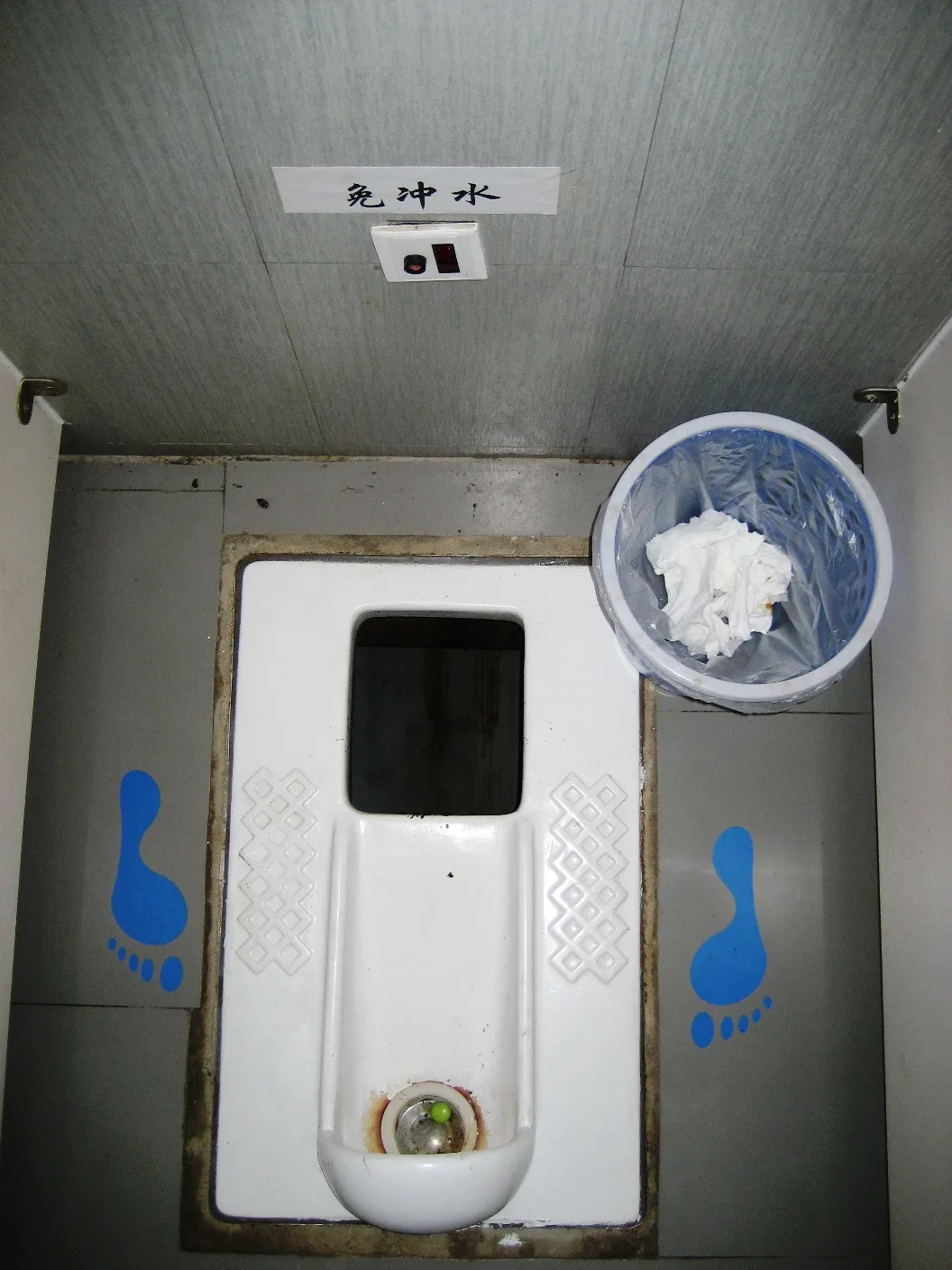
- Face the door. The hooded end goes forward. Some older toilets have no hood, just a trough. Face away from the trough end.
- Drop your pants below your knees. Not just past your hips. Below your knees. Otherwise you will splash your own clothing.
- Plant your feet flat, shoulder-width apart, on the foot grips on either side.
- Squat all the way down. Not a hover. A full squat. Your thighs should touch your calves. If you hover, your legs will shake after 20 seconds and your aim gets worse.
- Keep your weight on your heels. If you lean forward onto your toes, you will lose balance.
- Hold your phone and valuables. Things fall out of pockets. Into the toilet. Assume it is unrecoverable if it does.
- Flush. Most squat toilets flush with a foot pedal on the floor or a button on the wall. Some older ones have a bucket and tap. Figure it out before you start, not after.
If you have knee problems or limited mobility, this is a genuine challenge. See the section below on finding Western toilets. For everyone else: the first time is awkward. The third time is fine. By the fifth time you stop thinking about it.
Where the clean bathrooms are
Memorize this hierarchy. When you need a bathroom in a Chinese city, check in this order:
-
Five-star hotels. The lobby bathroom is always clean, always has Western toilets, always has TP. Walk in like you belong. Staff will not stop you. The Peninsula, Mandarin Oriental, Ritz-Carlton, and international chains are your best friends.
-
High-end shopping malls: SKP, IFC, Taikoo Li, 万象城, 大悦城, 太古里. These malls compete on bathroom quality. The higher the floor, the cleaner the bathroom; fewer people climb to the 5th floor to use the toilet.
-
Starbucks and McDonald’s. Reliable, clean, found everywhere. Starbucks is generally cleaner than McDonald’s. Both almost always have Western toilets. Some require a door code printed on your receipt. Order a ¥6 coffee. It is the cheapest bathroom entry fee in China.
-
Museums and galleries. Provincial and city museums have excellent public facilities. Clean, well-stocked, mostly Western toilets. Bonus: the museum itself is usually free.
-
High-speed rail stations. Newer stations have surprisingly good bathrooms with both squat and Western options. Regular train stations and long-distance bus stations are a different story. They rank closer to tier 1-2 on the scale above.
Avoid: public toilets in parks (free, but the reason they are free is obvious), wet markets, and the bathrooms directly adjacent to food streets. The proximity to food street oil and bathroom cleanliness have a strong inverse correlation.
The smartphone as survival tool
Your phone solves the bathroom problem in two ways:
Baidu Maps or Amap (高德地图) search for 卫生间 (restroom) or 公厕 (public toilet). Both show public toilets as map pins with user ratings. In cities of any size, you will find 20 within walking distance. The ratings are honest; if the rating is below 3 stars, keep walking.
Dianping (点评) or Meituan will tell you if a nearby mall or coffee shop is worth entering. If the mall has a 4.5+ rating, its bathrooms are almost certainly decent.
For more on the essential apps every traveler needs, see the digital survival guide.
When it goes wrong
Sometimes you do everything right and the bathroom is still bad. Here is what to do:
No toilet paper and no tissues left: Ask a nearby shop. Convenience stores and pharmacies sell tissue packets at the counter. Point and say “纸巾” (zhǐ jīn, tissue). ¥1-2 solves it.
The toilet is clogged or overflowing: Leave. Find the next one. Do not try to fix it. Do not use the stall next to it. A clogged toilet in a Chinese public bathroom means maintenance will get to it sometime this week, and the overflow follows the slope of the floor, which is toward the door.
You have diarrhea in a tier-1 toilet: This is the nightmare scenario. If you are at a long-distance bus stop, a rural market, or a street-food toilet, and your stomach turns, your best option is to find the nearest hotel lobby. Walk in confidently. Use the lobby bathroom. Buy a bottle of water on the way out. Even a budget chain hotel lobby is cleaner than a tier-1 public toilet.
This is also why many travelers carry Imodium or loperamide in their day pack, not just in their luggage. The packing guide covers the full medical kit.
The cultural context
Chinese attitudes toward public bathrooms differ from Western ones in ways that make more sense once you understand them.
The absence of toilet paper is not stinginess. It is a legacy of infrastructure speed. China built its public toilet network decades before tissue supply chains reached every corner of the country. The norm of carrying your own tissues persisted. Even today, convenience stores stock tissue packets at every counter because people use them.
The preference for squat toilets is not unfamiliarity with Western toilets. It is a hygiene preference. A shared toilet seat is, to many Chinese people, unhygienic compared to a surface you touch with nothing but shoe soles.
None of this makes a tier-1 toilet pleasant. But recognizing the logic behind it makes the experience less alienating. For more on the differences that surprise first-time visitors, see the culture shock guide.
The bottom line
Carry tissues. Carry hand sanitizer. Use hotel lobbies. Do not expect Western toilets outside international zones. Learn to squat; your body adjusts faster than your mind does.
China’s public toilets are better than their reputation and worse than the tourism brochures pretend. You will survive. You will also never take a stocked, seated, soap-provided bathroom for granted again.
That alone might be worth the trip.