Beyond the Big 5: China's Rising Second-Tier Cities
China beyond Beijing and Shanghai is not some romantic fantasy of empty rice terraces and misty peaks. It is a real, rapidly changing place where second-tier cities are building the infrastructure to welcome international travelers, and mostly succeeding. The five cities in this guide (Zhengzhou, Taiyuan, Datong, Guiyang, and Yiwu) all saw inbound tourism jump 50 to 140 percent in 2024, according to provincial tourism bureaus. High-speed rail now reaches every one of them. Most qualify for China’s 240-hour visa-free transit. And none of them appear in the typical first-timer’s itinerary.
That is exactly why they are worth your time.
Why these five cities matter now
The standard China itinerary has calcified into a formula: Beijing, Xi’an, Shanghai, Guilin, Chengdu. Maybe Zhangjiajie if you saw the Avatar mountain on Instagram. These are fine places. But they are also crowded, increasingly expensive, and thoroughly documented. You can find 50 blog posts about the best Peking duck restaurant in Beijing. Try finding one about the lamb offal soup in Datong that locals have eaten for 400 years.
The cities below are not “undiscovered” (nothing in a country of 1.4 billion people is). But they sit in a sweet spot right now: enough infrastructure that you will not suffer, not so much tourism that the experience feels manufactured. They reward travelers who want to see a version of China that still surprises.
Zhengzhou: The carb capital with a kung fu side quest
Zhengzhou is the capital of Henan province and the historical heart of the Central Plains. Most travelers speed through on the Beijing-Guangzhou high-speed line and never leave the station. They are missing the birthplace of Chinese civilization and, frankly, some of the best breakfast food in the country.
Why go: Zhengzhou gives you Shaolin Temple without the hassle of staying near Shaolin Temple. It is also home to the Henan Museum, one of China’s top five provincial museums, and Only Henan, a 21-theater immersive complex that is genuinely unlike anything else in the country.
Three things to do:
- The Henan Museum (free, reservation required) holds the 8,000-year-old Jiahu bone flute and Shang Dynasty bronzes that belong in any serious history buff’s itinerary. Give it three hours.
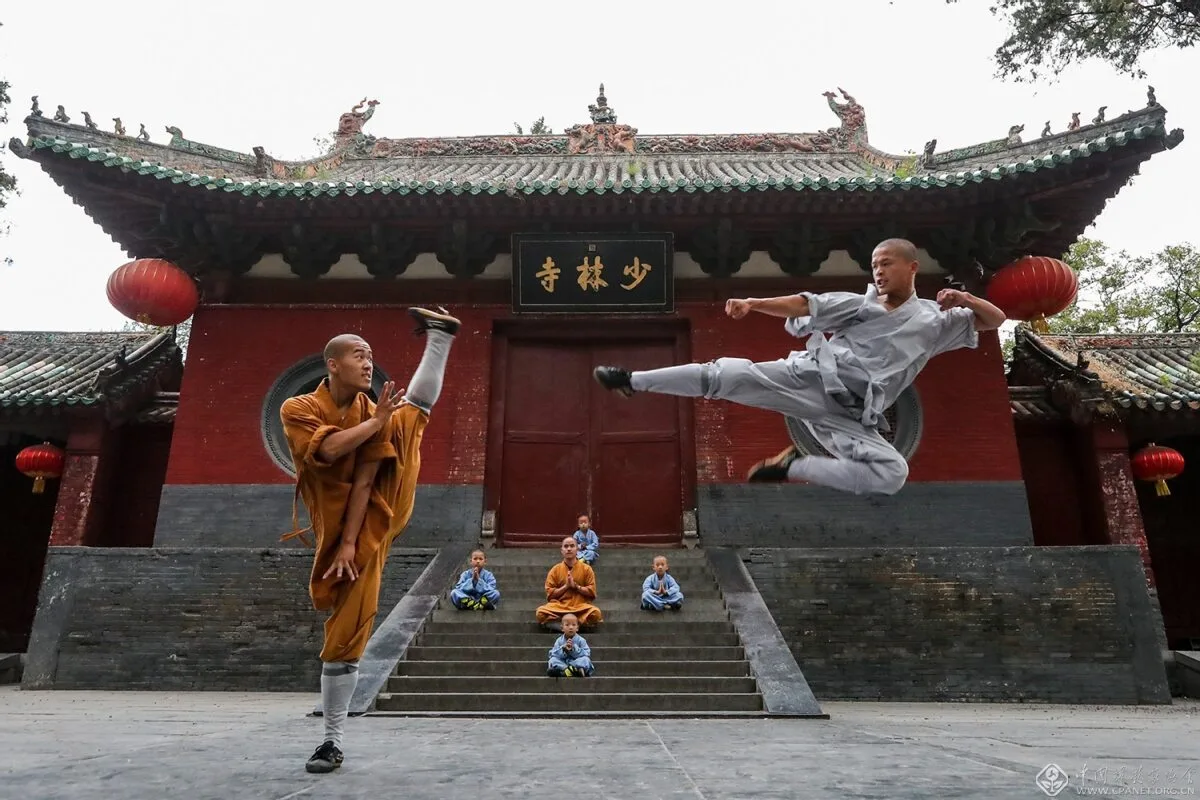
- Shaolin Temple is a 90-minute drive from downtown. Watch the kung fu performances, walk the Pagoda Forest, and accept that the “free fortune telling” near the entrance is always a sales pitch.
- Only Henan, a theater complex with 21 stages built into a single site, runs all-day performances focused on Henan history. The shows called “Train Station” and “Li Family Village” are the ones people actually cry at.
What to eat: Zhengzhou’s breakfast culture is legendary. Start with hulatang (spicy pepper soup) at Fangzhongshan, paired with fried dough sticks. For lunch, get huimian (wide noodles in lamb broth) at Heji on Renmin Road. The city is sometimes called China’s carb capital and it earns the title.
Arrival: Zhengzhou Xinzheng International Airport (CGO) has direct flights from Seoul, Bangkok, and Tokyo. Zhengzhou East Station is a major high-speed rail hub on the Beijing-Guangzhou line. From Beijing West, it is about 2.5 hours.
Zhengzhou works best as a 2-3 day stop, or as a base with day trips to Kaifeng (one hour east, for Song Dynasty history and soup dumplings) and Luoyang (40 minutes west, for Longmen Grottoes).
Taiyuan: Vinegar, noodles, and 2,500 years of history nobody talks about
Taiyuan is the capital of Shanxi province and still fighting a reputation as a coal city. That reputation is increasingly wrong. The air quality has improved significantly since 2020, and the city has poured money into restoring its Ming-Qing architecture, expanding its metro, and building a 43-kilometer riverside greenway along the Fen River.
Why go: Taiyuan rewards travelers who care about architecture and food more than postcard shots. Jinci Temple, built 3,000 years ago and rebuilt across dynasties, contains Song Dynasty wooden structures and polychrome sculptures that predate most of Europe’s cathedrals. The Shuangta (Twin Pagoda) Temple lets you climb 54-meter Ming Dynasty pagodas with spiral staircases so narrow you will question your life choices. The view from the top is worth it.
Three things to do:
- Jinci Temple (80 RMB, plan three hours) is the highlight. The Holy Mother Hall, the Zhou cypress trees, and the “Fish Pond Flying Beam” bridge are all originals, not reproductions.
- The Shanxi Museum (free, closed Mondays) rivals Beijing’s National Museum for pre-Ming artifacts. Look for the bird-shaped bronze zun and the Jin Dynasty jade.
- Taiyuan Ancient County Town, a reconstructed Ming-Qing walled town on the original 2,500-year-old Jinyang site, comes alive at dusk. The night lighting makes it worth the visit. Weekdays are quieter.
What to eat: Shanxi is vinegar country. Taiyuan people add aged vinegar to everything and they are right to do so. Knife-cut noodles (daoxiaomian) are the signature dish. Get them at any shop with a line out the door. Also worth seeking out: youmian kaolaolao (oat noodles dipped in broth), guoyourou (crispy fried pork), and tounao, a breakfast “brain” soup served with yellow wine and shaomai that tastes better than it sounds.
Arrival: Taiyuan Wusu International Airport (TYN) has direct flights from Bangkok and several Japanese cities. Taiyuan South Station on the Beijing-Xi’an high-speed line puts you 2.5 hours from Beijing and 3.5 hours from Xi’an.
Taiyuan works best as a 3-day slow-travel stop. Pair it with Pingyao (40 minutes by train) and you have a solid 5-day Shanxi loop.
Datong: The grottoes and the gravity trick
Datong sits in northern Shanxi and has exactly one heavyweight attraction that justifies the trip by itself: the Yungang Grottoes. But the city also holds a gravity-defying temple bolted to a cliff and the oldest all-wood pagoda in the world. Three UNESCO-level sights within a one-hour radius is a ratio most Chinese cities cannot claim.
Why go: The Yungang Grottoes (120 RMB, plan four hours) contain 51,000 Buddha statues carved between AD 453 and 495 across 252 caves. Cave 20’s 17-meter open-air Buddha is the postcard shot. Caves 5 through 12 are where you slow down: painted reliefs, musical instrument carvings, and architectural details that mix Indian, Persian, and Greek influences because the Northern Wei Dynasty sat at the crossroads of the Silk Road.
Three things to do:
- The Yungang Grottoes. Go at 8:30 AM opening time. Rent the audio guide. Without context, you are just looking at old stones.
- The Hanging Temple (Xuankong Si), 75 km from Datong, is a wooden monastery wedged into a cliff face 50 meters up, combining Buddhist, Taoist, and Confucian elements under one roof since the 5th century. A critical detail: climbing tickets cap at about 3,000 per day and sell out days in advance. Book through the official WeChat account before you arrive, or you will only get the ground-level view.
- The Yingxian Wooden Pagoda, built in 1056 without nails, is the oldest and tallest all-wood pagoda in the world. You can only enter the ground floor now (the structure is tilting), but it is still worth the 75 km drive.
What to eat: Datong’s knife-cut noodles are thinner and chewier than Taiyuan’s version. The city also does excellent shaomai (lamb-filled dumplings, 35 RMB per basket), hunyuan liangfen (cold sour-spicy jelly noodles), and Datong copper hotpot with mutton. Dongfang Xiao Mian on Drum Tower East Street is a good starting point for a food crawl.
Arrival: Datong Yungang Airport (DAT) has limited direct international flights. The smarter move is the high-speed train from Beijing North Station (2 hours). From Taiyuan, it is 2 hours.
A note on overlap: This site already has a full Datong and Pingyao guide with a detailed 5-day itinerary. If Datong sounds like your kind of city, that article covers the logistics, hotel recommendations, and seasonal timing in more depth.
Guiyang: Cool weather, sour soup, and mountains that start at the city limits
Guiyang is the capital of Guizhou province, perched on the Yunnan-Guizhou Plateau at 1,100 meters. Its main selling point is climate: summer highs rarely exceed 28 degrees Celsius, which makes it feel like the entire city has air conditioning when the rest of China is baking. Guizhou’s provincial tourism data showed 190,000 international visitors in 2024, up 140 percent from the previous year.
Why go: Guiyang is a genuine mountain city. Karst peaks poke through the urban landscape. Qianling Mountain Park sits inside the city limits and has wild macaques, a Buddhist temple, and a panoramic view from the top for a 5 RMB entry fee. The food culture is completely distinct from the wheat-and-soy world of northern China: it is sour, spicy, herbal, and fermented in ways that will feel new even if you have eaten Chinese food your whole life.
Three things to do:
- Qianling Mountain Park (5 RMB) is the best-value attraction in any Chinese provincial capital. The Hongfu Temple at the summit dates to 1672. The wild macaques will steal anything in a plastic bag, so keep your belongings close.
- Qingyan Ancient Town (50 RMB), a 600-year-old Ming Dynasty military outpost 30 km south of the city, has bluestone alleys, city walls you can walk, and braised pig trotters that people drive from other provinces to eat.
- Jiaxiu Tower, a Ming Dynasty pavilion on the Nanming River, is the city’s symbol. The night view with reflections in the water is the most photographed scene in Guizhou.
What to eat: Guizhou cuisine is built on sour and spicy flavors. The signature dish is suantangyu (sour soup fish), a hot pot with a fermented tomato and chili broth that simmers at the table. Changwang noodles (pork intestine and blood curd in chili oil) is the breakfast of choice. Siwawa (DIY vegetable wraps dipped in sour soup) is the street snack you will crave after you leave. A warning: many dishes contain houttuynia (fish mint), an herb that divides humanity into two camps. You will know which camp you are in after the first bite.
Arrival: Guiyang Longdongbao International Airport (KWE) has direct flights from Hong Kong, Bangkok, Singapore, Seoul, and Kuala Lumpur. Guiyang North Station connects to the national high-speed rail network: about 2.5 hours from Chongqing, 3.5 hours from Kunming, and 5 hours from Guangzhou.
For travelers who want to go deeper into Guizhou’s ethnic minority villages, the Qiandongnan Guizhou guide covers Miao and Dong villages including Xijiang, Zhaoxing, and the Basha musketeer tribe. For a broader off-radar itinerary that pairs Nanjing, Suzhou, and Xiamen with Guizhou’s landscapes, read our guide to hidden gems beyond Beijing.
Yiwu: The world’s wholesale market, plus a surprisingly good time
Yiwu is the odd one on this list. It is not a provincial capital. It does not have UNESCO sites or ancient dynastic history. What it has is the largest wholesale market for consumer goods on Earth: 75,000 booths across five districts, selling 2.1 million product types to buyers from over 200 countries. The Yiwu International Trade City is so large that free shuttle buses run between its five districts.
Why go: Yiwu is fascinating because it is a global city that happens to sit in Zhejiang province. The streets around the trade city are lined with Turkish kebab shops, Arabic restaurants, Korean barbecue joints, Indian curry houses, and Georgian wine bars serving the traders who fly in from the Middle East, Africa, South Asia, and Latin America. The international food scene in Yiwu is better than in most Chinese cities five times its size. And the market itself is an experience unlike any other: organized chaos at a planetary scale.
Three things to do:
- The International Trade City is the main event. Districts 1 (toys, jewelry) and 5 (imported goods, home textiles) are the most interesting for casual visitors. Most booths are wholesale-only, but Districts 4 and 5 tend to be more retail-friendly. Wear comfortable shoes. Drop map pins at your entry gate so you can find your way back out.
- Santing Road Night Market is one of the largest night markets in Zhejiang, running every evening with street food from across China plus clothes, accessories, and the usual chaos.
- Fotang Ancient Town, a 1,000-year-old water town 20 km from downtown, has Ming-Qing architecture, cobblestone streets, and black-awning boats. It is a quiet counterpoint to the market frenzy.
What to eat: The local specialty is Donghe meat pie, a crispy paper-thin pancake with savory fillings. But the real draw is the international food. Sultan Turkish Restaurant and Nisar Indian Restaurant are both run by and for the international traders who live in Yiwu, which means the food is the real thing. The Middle Eastern food street near the trade city is worth the trip by itself.
Arrival: Yiwu Airport (YIW) has direct flights from Beijing, Guangzhou, Shenzhen, Seoul, and Hong Kong. More practically, Yiwu is 30 minutes by high-speed train from Hangzhou and 1.5 hours from Shanghai. The city also qualifies for the 240-hour visa-free transit.
If you plan to shop seriously (and many people do), read the China Shopping Guide for advice on bargaining, shipping, and what is actually worth buying.
Which city is best for you?
My honest ranking, based on who you are:
Best for history nerds: Datong. The Yungang Grottoes are exceptional, the Hanging Temple is genuinely strange and wonderful, and the Yingxian Wooden Pagoda is a structural engineering marvel from 1056. You can do all three in two days.
Best for food-driven travelers: Guiyang. Guizhou cuisine is the most distinctive regional food in China that most foreigners have never tried. The sour soup fish alone justifies the trip. The cool summer weather is a bonus.
Best for architecture and slow travel: Taiyuan. Jinci Temple and the Shanxi Museum reward people who want to spend three hours with a single building. The Fen River greenway is good for cycling and the ancient county town looks better at night than during the day.
Best for logistics and day trips: Zhengzhou. It sits at the center of China’s high-speed rail network and gives you efficient access to Kaifeng, Luoyang, and Shaolin Temple. The food scene (especially breakfast) is underrated.
Best for something completely different: Yiwu. If you have already seen enough temples and mountains, the world’s largest wholesale market plus an unexpectedly good international food scene is a genuine palate cleanser. It also makes a practical 24-hour stop between Shanghai and points south.
Practical notes for second-tier city travel
A few things work differently in these cities compared to Beijing or Shanghai, and knowing them ahead of time will save you frustration.
Language barrier. English is significantly less common in second-tier cities than in Beijing or Shanghai. Hotel front desks at international chains (Hilton, Marriott) will usually have someone who speaks basic English. Beyond that, a translation app is not optional. Google Translate with the Chinese offline pack downloaded is the minimum. Some travelers prefer Baidu Translate for better Chinese-English accuracy.
Digital payments. Alipay and WeChat Pay work in all five cities, including at street stalls and night markets. Set them up before you arrive. The China Digital Survival Guide covers the exact setup steps, including which foreign cards work and how to avoid the common verification failures.
Visa access. All five cities are covered by China’s 240-hour (10-day) transit visa-free policy, and most are also covered by the broader 30-day visa-free entry policy for 38 countries including most of Europe, Australia, New Zealand, and several Asian nations. The National Immigration Administration publishes the latest eligible-country list and port details. The China visa-free entry guide has the full country list and rules in plainer language.
High-speed rail. Every city in this guide is on China’s high-speed rail network. Book tickets through Trip.com (English interface, small service fee) or the official 12306 app (Chinese only, no service fee). The China High-Speed Rail Guide explains the booking process, seat classes, and station navigation in detail.
Hotels. Not all hotels in second-tier cities are licensed to accept foreigners. Book through Trip.com or Booking.com rather than Chinese OTAs like Ctrip or Meituan, which often do not filter for foreigner-eligible properties. If a budget hotel turns you away at check-in, it is probably because they cannot register international guests, not because they do not want your business.
Regional flights. If high-speed rail feels like too much time on a train, all five cities have airports with connections to major Chinese hubs. Guiyang and Zhengzhou have the most international direct flights. Yiwu’s airport is small but connects to Beijing, Guangzhou, and Seoul. Taiyuan and Datong have fewer options; the train is usually more practical for those two.
The window is open
China’s second-tier cities are in a transitional moment. The government has invested heavily in tourism infrastructure, visa policy has loosened, and high-speed rail has collapsed distances that used to require overnight trains. But international tourism volumes are still low enough that these cities have not yet adapted to mass expectations. You will encounter more genuine confusion, more curiosity from locals who do not see many foreign faces, and fewer English menus. For some travelers, that is the point.
If you want polished, predictable, and English-friendly, stick to the Big Five. If you want a version of China that still feels like a place rather than a product, pick one of these cities and go before everyone else figures it out.
For more on avoiding common first-trip mistakes, see the 15 Things I Wish I Knew Before My First Trip to China guide.